Forest Disturbance and Surveilance - (Sentinel 1 Radar)
Forest Disturbance,is mainly associated with forest degradation. It is a systematic process where the forest loses its capacity of acting as carbon sinks among other ecological roles. This is mainly due to continuous extraction of trees and disruption of forest ecosystem Ultimately leading to deforestation. Degradation can also be attributed to continuous loss of vegetation of forest quality overtime. Forest Degradation was analysed through the application of dual approach, including:
Bivariate Radar Based Method.
Optical Based Method.
Forest Canopy Disturbance Using (Bivariate Radar Method).
Radar images are capable of transcending the cloud cover challenge, an attribute that normally lacks with the optical sensors. The canopy disturbance monitoring using Radar images is thus considered superior due to this ability. To compute the canopy disturbance using the Radar approach, the bivariate change method is applied, in detecting the forest canopy disturbance. Bivariate method entails the use of both polarization (VV & VH) from Sentinel 1 Radar images. This method captures any form of change occurring within a forest that could otherwise, have been omitted from a single look observation using either VV or VH. Based on the difference in the backscatter values, a chi square test is performed on the difference between the images, and the significance change of 95% confidence is considered to be the areas of disturbance. The changes are capped to above 0.5 hectares, as part of REDD+ standardization in monitoring forest degradation.
This methodology was generally anchored on simple image difference combined with statistical analysis as a mode of smoothening the model. For a user to access this functionality, they will need to register in TroFMIS, in order to access the possibility of having on-fly computation. On-fly computation is based on user defined attributes such as analysis period and comparison period as will be dicussed in the service section.
The image below summarises the way ground features interact with radar images.
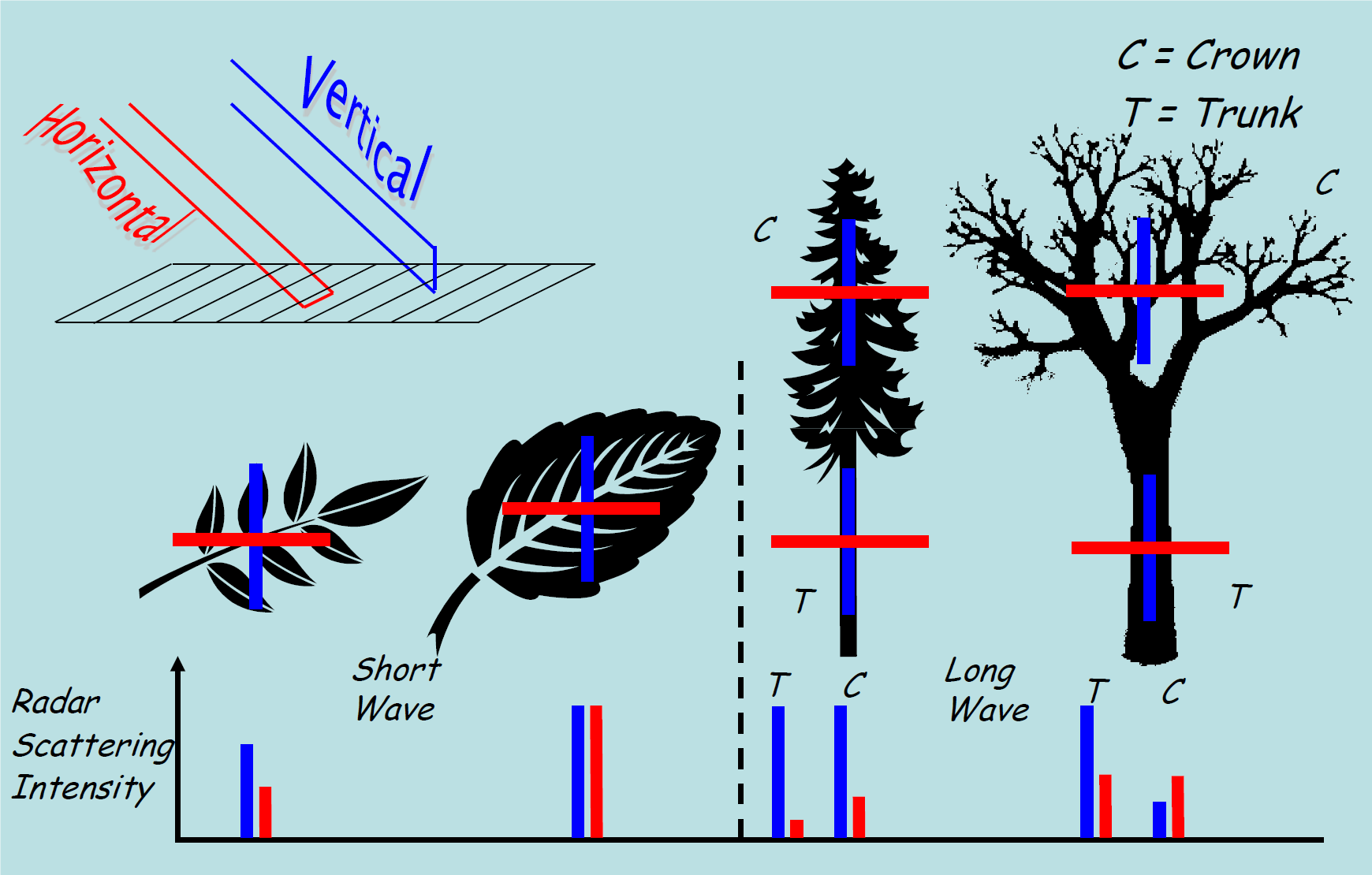
Fig. 5 Image reflectance based on Radar image
Optical Based Method - Sentinel 2
The optical method applies an index known as Normalized Burnt Ration (NBR), to compute the changes within forest zones. The NBR is acquired from indexing the Near Infrared (NIR) and Short Wave Infrared (SWIR). The resultant single NBR values from the acquired images is taken through the self-referencing steps, to allows for comparison of scenes. The NBR is computed using the formulae below.
Afterwards, the NBR output is self-referenced with the image collection output acquired from equation 5 above as shown in the formulae below.
The resultant result is generally based on the difference between the 2 self-referenced, after computing the focal mean of the NBR output. However, since the Radar approach above is superior to the optical method, the forest surveilance was considered for method 1 above in TroFMIS.
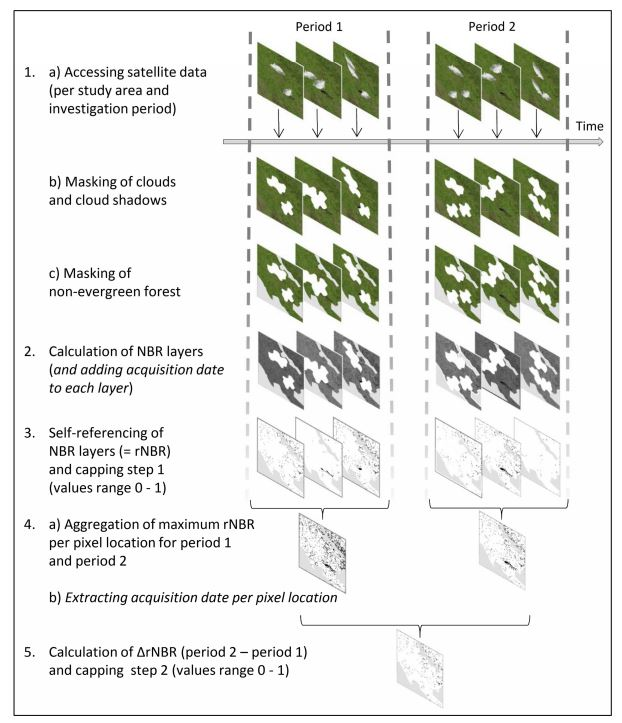
Fig. 6 Summary flow chart for canopy disturbance using Optical method.
Forest Surveilance - Radar
Forest surveilance, which is periodical monitoring of forest canopy changes, and automatically sending the analytics to the end user, applied the Forest Disturbance - Radar method in detecting forest disturbance. However, for this specific product, a user needs to subscribe to receive forest alerts which are done periodically (fortnightly and monthly) in their emails. The alerts, once received, can be used for ground validation by the end users.